When we talk about “infrastructure,” we often picture roads, bridges, transit lines, and utilities. But in places like Marin County, California, the ripple effects of those projects reach deep into the housing market—changing where people live, how much they pay, and how communities evolve. Here’s a look at how recent and upcoming infrastructure efforts are already influencing Marin’s real estate landscape, backed by the latest data and trends.
Key Infrastructure Drivers in Marin
Before we go into housing impacts, here are a few major infrastructure projects and policies underway in Marin:
1. 101 Widening – Marin–Sonoma Narrows
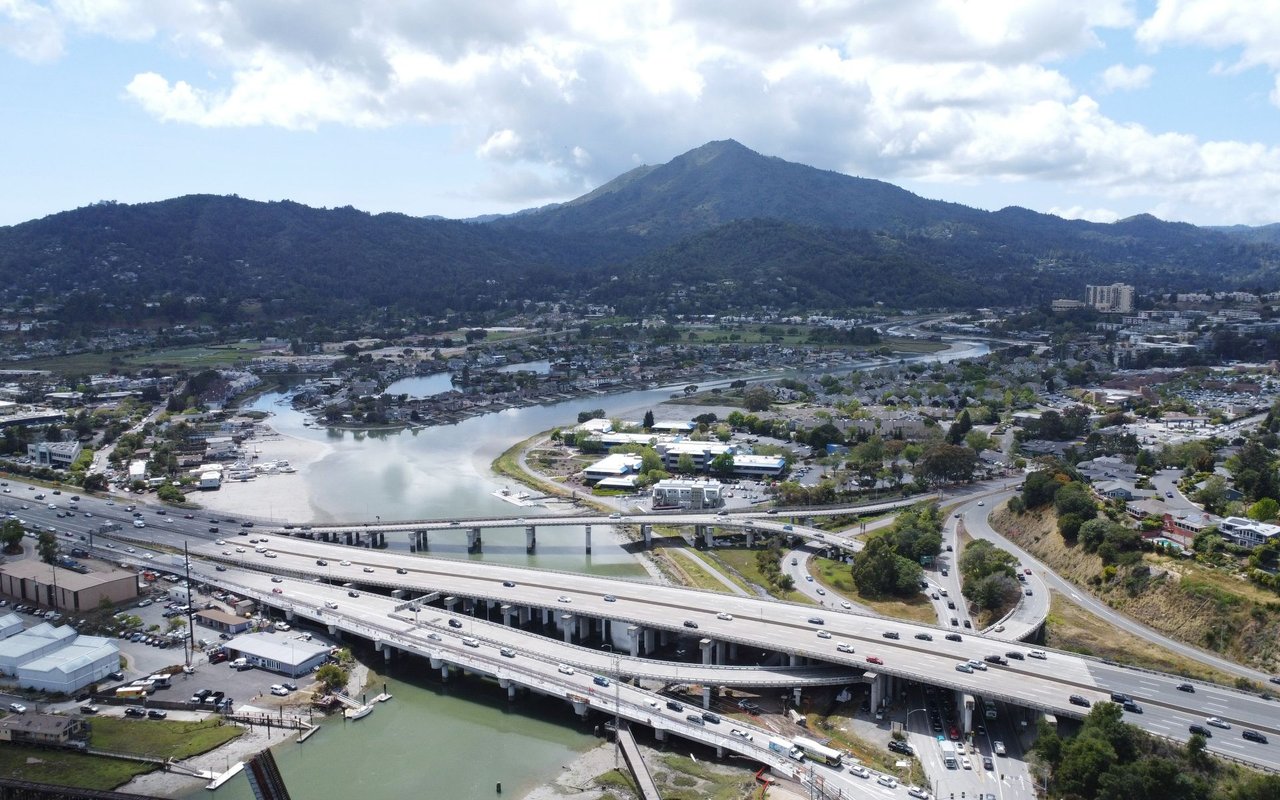
After decades of planning and phases, a critical stretch of Highway 101 between Novato and the Sonoma County line has been widened. The latest stretch reopened with three lanes and new high-occupancy vehicle (HOV) lanes, helping smooth bottlenecks on a corridor long known for congestion. Have you experienced an easier commute since the widening?
Importantly, planners have often framed this as a multimodal corridor—with the SMART commuter rail line and parallel bike paths treated like “added lanes” in the system.
2. SMART Rail Expansion & Infill Stations
The Sonoma–Marin Area Rail Transit (SMART) system continues to expand its footprint. Its ultimate plan is approximately 70 miles, linking Cloverdale to Larkspur. Have you taken the SMART train?
Notably, Petaluma North station opened in January 2025 as an infill station, improving access for surrounding neighborhoods.
3. Larkspur Redevelopment on Former Wastewater Site
In Larkspur, a former waste treatment plant (10.7 acres) is now being eyed for a new housing project of approximately 320 homes—one of the largest in decades for Marin. This development must include at least 25% of affordable housing. The site’s proximity to transit hubs and recent zoning changes make it especially attractive. I made a video about this on my social media accounts.
4. Affordable & Public Housing Upgrades
Marin is also working on preserving and redeveloping affordable housing stock. One important example is Golden Gate Village (GGV) in Marin City, where the Marin Housing Authority’s redevelopment framework emphasizes retaining affordability, improving building quality, and ensuring long‐term public control.
On a broader scale, Marin’s Major Housing Projects page tracks several proposals of 5+ units in unincorporated areas.
5. Sea-Level Rise Adaptation and Coastal Infrastructure
Some Marin coastal communities are already planning for rising seas and storm resilience. For instance, Stinson Beach has been identified among the most vulnerable in the Bay Area, and adaptation investments (elevated roads, bulkheads) of approximately $1.2 billion are recommended to protect infrastructure and property values.
How Infrastructure Shapes Demand & Value
Here are some of the patterns and implications:
1. Reduced Commute Friction = Expanded Market Reach
The completion of the Highway 101 widening and the addition of HOV lanes helps reduce one of Marin’s enduring deterrents: traffic congestion. As travel becomes more reliable, neighborhoods farther from central hubs or bridges may become more attractive. That can push demand—and prices—slightly outward.
2. Transit Access as a Premium
Rail and station expansions (e.g. SMART, Petaluma North) bring walkability, reduced car dependence, and greater appeal to renters and buyers seeking “rail-adjacent” properties. Homes within easy walking or biking distance of stations may command a “transit premium.”
3. Redevelopment of Underused Land
Projects like the Larkspur waterfront redevelopment show how infrastructure (access, utility connections, zoning) can unlock formerly unusable land. That both provides supply (moderating price pressure) and changes neighborhood character—potentially spurring new amenities (shops, cafés, local services).
4. Affordable Housing & Stability
By preserving and upgrading units like Golden Gate Village, Marin is attempting to counterbalance a purely market-driven real estate landscape. Without such efforts, infrastructure-driven demand could drive rents and prices further out of reach for low- and middle-income households.
5. Risk & Value on the Coast
In coastal zones like Stinson Beach, infrastructure investments to address sea-level rise will become critical. Property values will increasingly be tied to resilience to climate risk—areas with robust protections may maintain or grow value, while those without may lag.
Strategic Takeaways & Considerations
- Emerging “Up-and-Coming” Areas: Communities near newly expanded roads or transit lines—but still undervalued—are worth a second look. They may be the next “growth corridors.”
- Don’t Overpay for Risky Sites: Proximity to transit is valuable—but only if supported by consistent services, parking, pedestrian connectivity, etc.
- Zoning & Policy Watch: Marin’s shifting housing mandates (e.g. higher Regional Housing Needs Allocation targets) and overlay zones (e.g. “Housing Priority Overlay” used in Larkspur) are making it easier for infrastructure + housing projects to get approved.
- Longer Holding Horizons: Infrastructure benefits often accrue over years (not months). Investors or homeowners who can think mid-to-long term may see better returns.
Infrastructure projects are not just about roads and rails—they’re reshaping Marin’s housing market in real, measurable ways. By reducing friction, unlocking new land, and improving connectivity, these projects help redirect demand, influence property values, and adjust the geography of growth.
That said, the full effects will unfold over years—and investors, developers, and homebuyers alike should monitor not just transportation news, but zoning, environmental resilience, and housing policy moves. Marin’s next decade will likely see neighborhoods further from the Golden Gate Bridge become more compelling options, changing how we think of “Marin living.”