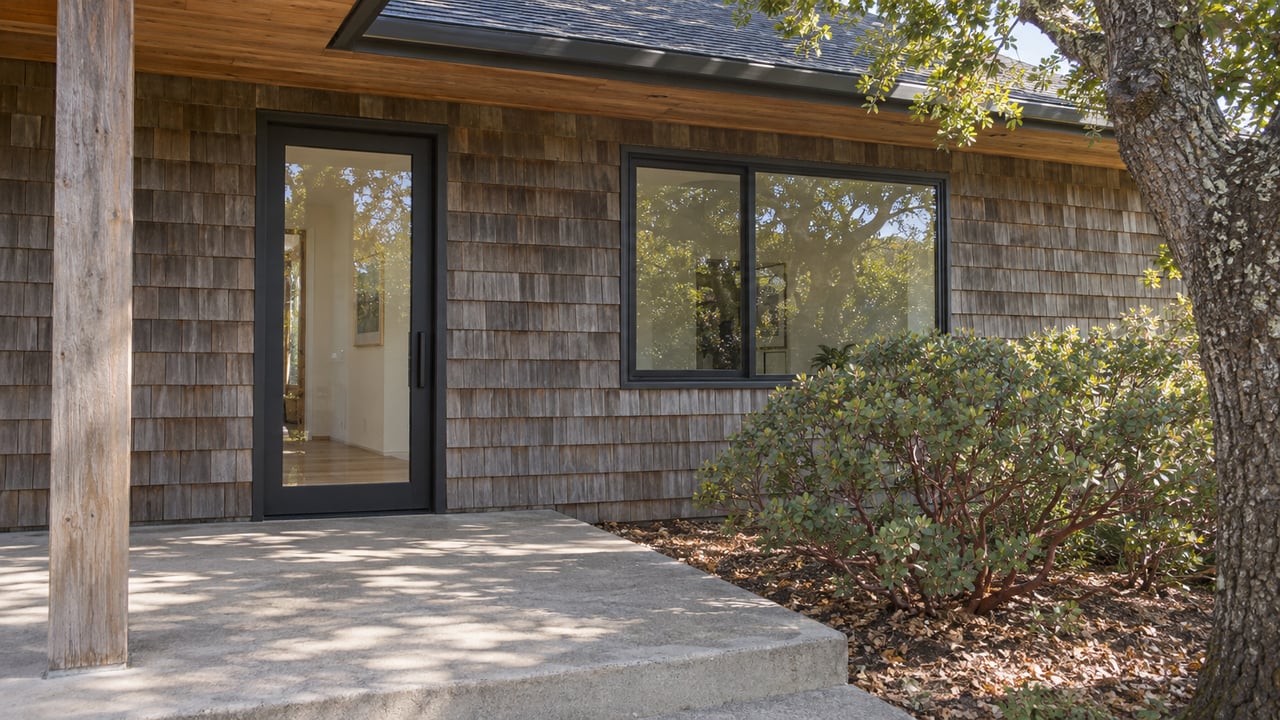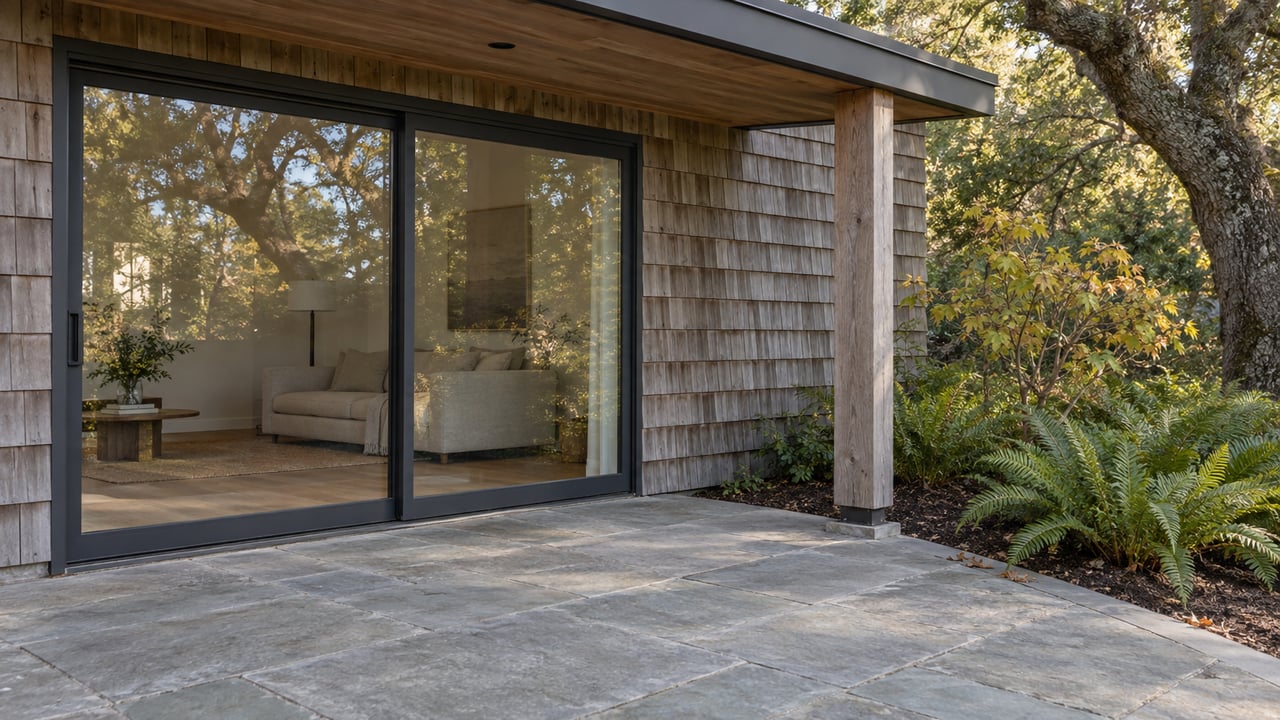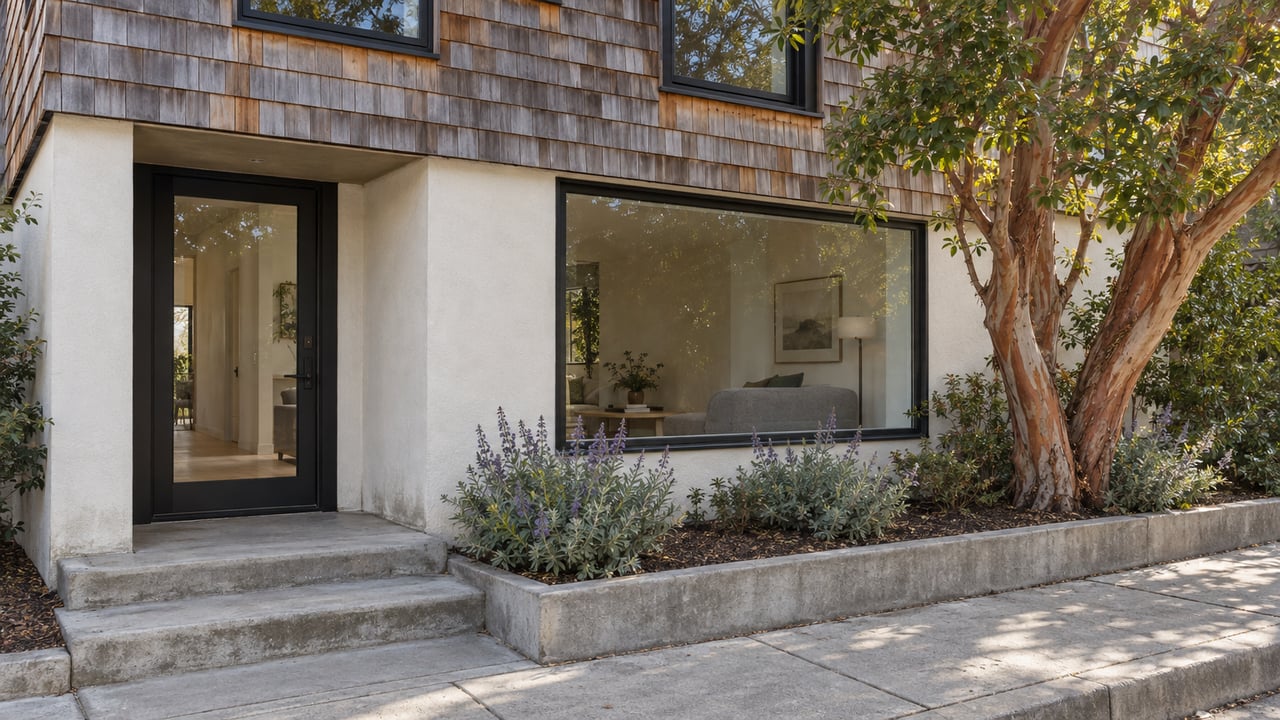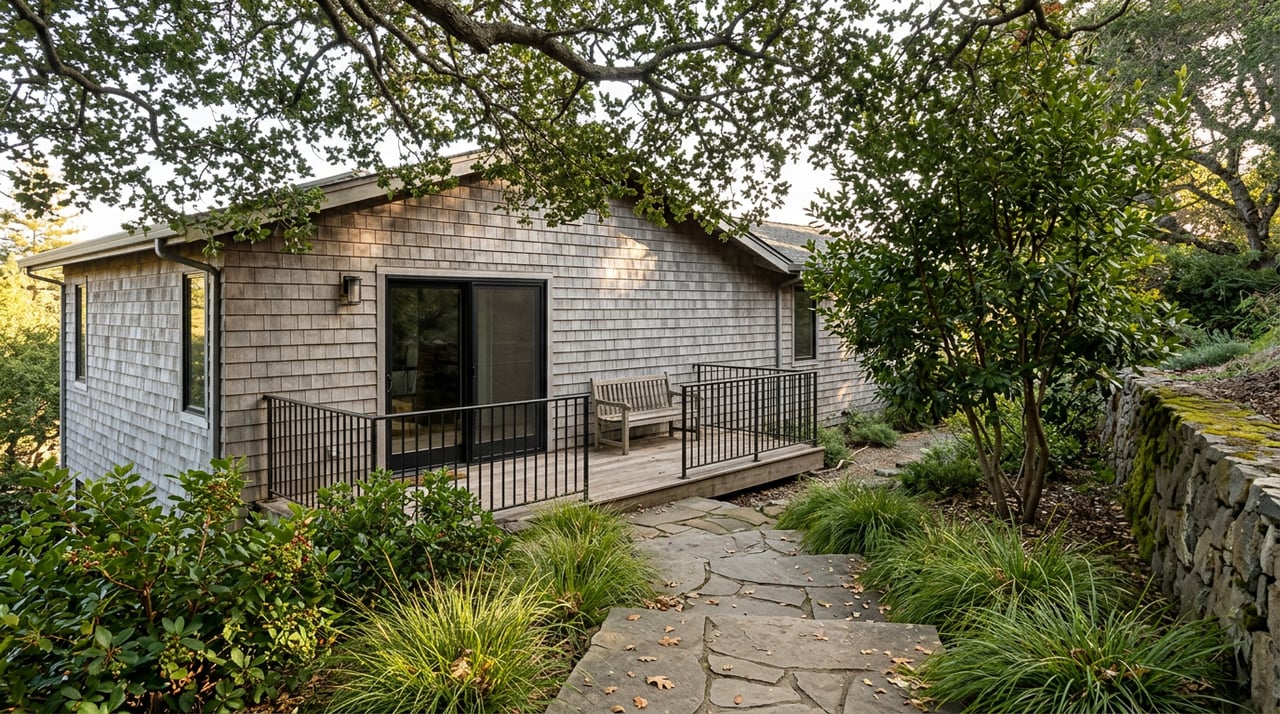
If you look at Larkspur as one market, you can miss what really drives value here. A short distance can change your daily feel, housing style, access, and even how often homes come up for sale. If you want to buy or sell in Larkspur with confidence, it helps to understand the city pocket by pocket. Let’s dive in.
Why micro-neighborhoods matter in Larkspur
Larkspur is compact, historic, and almost completely built out, according to the city’s history materials. That matters because when a city has limited room to grow, small location differences often carry outsized weight.
In one part of Larkspur, you may find a walkable historic core with older storefronts and second-story housing. In another, you may be on a wooded hillside, near a creek or water edge, or in a postwar neighborhood with more modest lots and a different housing rhythm. That variety is exactly why broad citywide averages only tell part of the story.
Historic names and market names
One thing that often confuses buyers is that the neighborhood names you see online do not always line up neatly with the city’s historic map. Larkspur’s Heritage Preservation Board recognizes 10 historic neighborhoods, including Murray Park, North Magnolia, Boardwalk 1, Old Town, Loop, Heather Gardens, Baltimore Park, Madrone Canyon, Palm Hill, and South Magnolia.
At the same time, market data often uses labels like Creekside, Larkspur Landing, Larkspur Marina, Meadowood, Hillview, and Skylark. So when you search listings, you are not always comparing identical areas. In practice, it helps to think in terms of broader lifestyle pockets and then narrow down to street-level differences.
Downtown Larkspur and Magnolia corridor
Downtown and Old Town feel
Downtown Larkspur is the city’s walkable historic core. The city’s walking-tour materials highlight false-front storefronts, Mission Revival civic architecture, and early Queen Anne Victorian homes, all within a compact district that reads as the town center.
The city’s planning documents also show a clear goal for downtown: preserve a mix of small-scale restaurants, retail, offices, and second-story housing in the historic district. For you as a buyer, that means downtown is not just charming. It is intentionally designed to remain active, mixed-use, and compact.
What buyers should know
Downtown inventory tends to be exceptionally tight. A recent Realtor.com snapshot showed no homes for sale in the Downtown Historic District itself, with only a small number of rentals available.
That scarcity matters. If you want walkability and vintage character, you may need to be patient, flexible, and ready when something suitable appears. For sellers, that same scarcity can make accurate pricing even more important because each property competes in a very thin submarket.
South Magnolia’s classic residential appeal
South Magnolia offers one of the clearest versions of old residential Larkspur. City history materials describe early 1900s homes with wraparound porches, columns, hipped roofs, and dormers.
For many buyers, this pocket feels central without feeling commercial. You are close to downtown, but the identity is more about established residential blocks and older single-family homes than storefront activity.
Baltimore Park and canyon living
Baltimore Park’s path-connected setting
Baltimore Park grew around the old rail corridor and station. Today, the former railroad bed supports heavy use by walkers, joggers, cyclists, dog walkers, and stroller traffic connecting toward Corte Madera and downtown paths.
The housing stock is largely early 20th-century single-family homes. Its identity is shaped less by retail and more by historic roots and path access. Market inventory can be very limited here too, with one recent snapshot showing just one home for sale.
Madrone Canyon’s wooded character
Madrone Canyon, sometimes discussed alongside Baltimore Canyon, is one of Larkspur’s most distinctive settings. City history materials describe an area that began with summer cabins and tent houses that later evolved into year-round homes.
The nearby county preserve adds another layer to the story. Baltimore Canyon Preserve spans 193 acres and includes redwoods, chaparral, Dawn Falls, and trail connections to other open-space areas. For buyers, this creates a setting that can feel secluded, shaded, and closely tied to the landscape.
What street-level differences mean here
In Madrone Canyon, two homes may share a ZIP code but live very differently. One street may feel rustic and tucked away, while another offers a more remodeled or customized housing mix.
Topography, shade, access, and trail proximity all shape day-to-day living here. This is one of the places where broad comps are less helpful than true micro-market knowledge.
Palm Hill and hillside considerations
Palm Hill is a useful example of why Larkspur buyers need to look beyond square footage alone. The city history book notes slide-prone slopes, drainage work, and limited approved lots, with some lower-end homes historically accessed through Corte Madera.
That does not mean Palm Hill is defined by challenge alone. It means this is a topography-sensitive neighborhood where privacy and views may be part of the appeal, while driveway grade, drainage, and street access should be part of your decision-making.
In a market with thin inventory, that level of detail matters. A home high on the hill may offer a very different experience from one lower down, even if the list price or size appears similar at first glance.
Heather Gardens and Meadowood
A different kind of Larkspur value
Heather Gardens gives buyers a useful contrast to the older canyon and downtown pockets. The city history book says the subdivision was developed in 1941, with small lots averaging a little over 4,000 square feet around Garden Way, Heather Way, and Diane Lane.
The city’s heritage materials place much of the neighborhood in the mid-1940s through early 1950s. They also note that the remaining homes are not architecturally significant in the same way as some of Larkspur’s older historic districts.
Why this pocket draws attention
For many buyers, that can be part of the appeal. Homes here are often more modest, the streets feel more neighborhood-scaled, and the value proposition may center more on usability and location than on ornate historic detail.
Current market pages also suggest more active inventory here than in several older pockets. That can make Heather Gardens and nearby Meadowood a more accessible starting point if you want Larkspur but are not targeting the tightest historic submarkets.
North Magnolia, Murray Park, Creekside, and Boardwalk pockets
North Magnolia and Murray Park
North Magnolia runs along the Magnolia corridor from the city limits to about Bon Air Road and includes a mix of single-family homes, apartment complexes, retail and service uses, offices, and restaurants. That mixed pattern gives it a different feel from purely residential pockets farther south or deeper into the hills.
Murray Park sits at the north edge of the city. Historic materials describe a loop that includes both a north Larkspur business district and historic homes in the hills above. If you are looking for a pocket that blends access, services, and older homes, this area deserves a closer look.
Creekside and Boardwalk 1
Boardwalk 1 is a water-adjacent pocket with boardwalk living and a distinct physical setting. Creekside shows up in current market data as one of Larkspur’s more active submarkets.
These pockets can differ sharply from the classic image of a Larkspur hillside cottage. Housing here may involve creek edges, water adjacency, unusual access patterns, or small-scale attached product. That makes them especially important for buyers comparing lifestyle as much as architecture.
Larkspur Landing for transit-oriented living
Larkspur Landing stands apart from the older residential fabric inland. The city has a mixed-use development focus in this area, and the Larkspur Ferry Terminal connects with SMART service.
For commuters or buyers seeking condo, apartment, or mixed-use convenience, this can be a meaningful value driver. If your priority is easier regional access rather than a historic cottage setting, Larkspur Landing may belong on your shortlist.
How inventory shapes your search
Larkspur’s market is not just tight. It is uneven. One recent Realtor.com snapshot showed 9 homes for sale in Creekside, 6 in Heather Gardens, 4 in Boardwalk, 2 each in Hillview, Madrone Canyon, Meadowood, and Skylark, and just 1 each in Baltimore Park, College Park, Murray Park, and Palm Hill. Baltimore Canyon and Bon Air showed none.
That kind of spread explains why buyers often benefit from a watchlist strategy rather than a single-neighborhood strategy. If you focus too narrowly, you may wait a long time. If you understand which nearby pockets offer a similar feel or function, you can create better options.
Price ranges need context
Larkspur also shows why a single price statistic can be misleading. Realtor.com described Larkspur as a seller’s market in May 2026 and showed a median listing price of about $1.2 million, while Redfin’s three-month city snapshot showed a median sale price of $2.1 million.
Those numbers are not necessarily contradictory. They reflect different data lenses, different timeframes, and a market where product type and location vary widely. Realtor.com also showed Creekside with a median listing price of $662,000, which further highlights how much the submarkets can differ.
In some pockets, median pricing may show as not available because there are simply too few sales or listings. That is not a data problem as much as a market signal. In Larkspur, several areas are too thin to summarize neatly, which is why street-by-street analysis matters.
What to prioritize as a buyer
When you compare Larkspur micro-neighborhoods, focus on how a home will actually live day to day. Useful questions include:
- How important is walkability to downtown uses?
- Do you want a wooded, shaded setting or a more open neighborhood feel?
- How comfortable are you with hillside access, grade, and drainage considerations?
- Are you open to attached housing, condos, or mixed-use settings?
- Do you need easy access to the ferry and SMART connection?
- Are you targeting character and scarcity, or a more practical entry point with somewhat more inventory?
These questions can help you separate the idea of Larkspur from the specific pocket that fits your routine and priorities.
Why local guidance matters here
In a city this varied, the right home is often about more than bedrooms, baths, and price per square foot. It may come down to whether one block feels more connected, one hillside lives more easily, or one submarket gives you a better chance of finding the right property in a limited inventory environment.
That is where neighborhood-level guidance becomes valuable. With appraisal-informed perspective and long local experience, you can make smarter comparisons and avoid treating very different pockets as if they were interchangeable.
If you are thinking about buying, selling, or comparing Larkspur’s micro-neighborhoods in more detail, Ruth Linn can help you evaluate the tradeoffs with clear, local insight.
FAQs
What are the main micro-neighborhoods in Larkspur?
- Larkspur includes historic neighborhoods such as Murray Park, North Magnolia, Boardwalk 1, Old Town, Loop, Heather Gardens, Baltimore Park, Madrone Canyon, Palm Hill, and South Magnolia, while online listings may also use names like Creekside, Meadowood, Hillview, Skylark, and Larkspur Landing.
What makes downtown Larkspur different from other Larkspur neighborhoods?
- Downtown Larkspur stands out for its walkable historic core, older storefronts, mixed-use planning, and very limited housing inventory.
What should buyers know about Madrone Canyon in Larkspur?
- Madrone Canyon is a wooded, trail-oriented pocket with redwood canyon character, varied housing styles, and important street-level differences related to topography, shade, and access.
What should buyers consider when looking at Palm Hill in Larkspur?
- Palm Hill is more sensitive to slope, drainage, driveway grade, and access, so buyers should look closely at how each specific property sits on the hill.
Which Larkspur neighborhoods may have more available inventory?
- Recent market snapshots suggest Creekside, Heather Gardens, and Boardwalk may have more active inventory than many of Larkspur’s smaller historic or hillside pockets.
Why do Larkspur home prices vary so much by neighborhood?
- In Larkspur, price differences are often driven by micro-location, housing type, inventory scarcity, walkability, topography, and transit or trail access rather than by the city name alone.